
Getting Insured After License Suspension — Georgia
Free to compare
You Lost Your License and Need Coverage to Get It Back
Your Georgia driver's license is suspended. You've been told you need insurance, but the guidance you've received is contradictory: the court paperwork mentions SR-22, the DDS reinstatement letter doesn't, and you're not sure if you even need a policy while you can't legally drive. The confusion stems from Georgia's dual-track system where Limited Driving Permits and full reinstatement follow separate procedural pathways with different insurance requirements.
The specific insurance obligation you face depends on what triggered your suspension and which pathway you're pursuing. DUI and uninsured motorist violations typically require SR-22 filing maintained for three years post-reinstatement. Points accumulation, unpaid fines, and failure-to-appear suspensions usually do not trigger SR-22 requirements for reinstatement itself, though they may if you apply for a Limited Driving Permit. Understanding which track applies to your situation determines whether you need SR-22, standard liability coverage, or a non-owner policy.
“The Limited Driving Permit requires SR-22 even when your original suspension trigger does not — you pay for coverage you may not need post-reinstatement.”

Have Your Georgia Proof of Insurance Ready
Get My Georgia Suspended License Insurance Quote$200
GA Uninsured Reinstatement Fee
This base fee applies to insurance-related suspensions under Georgia's Electronic Insurance Compliance System (GEICS). Other suspension types carry different fee structures, and the $200 figure does not represent a universal reinstatement cost across all triggers.
Georgia Department of Driver Services fee schedule
Two Separate Procedural Tracks with Different Insurance Rules
Georgia operates distinct administrative and court-based systems. The Department of Driver Services (DDS) handles administrative suspensions: uninsured motorist violations detected through GEICS, points accumulation under O.C.G.A. § 40-5-57, and certain medical disqualifications. Court-ordered suspensions flow from DUI convictions, reckless driving, or other criminal traffic offenses. These tracks run on separate timelines and impose different insurance obligations.
The Limited Driving Permit is issued by Superior Court judges, not DDS. It allows restricted driving during a suspension period for work, school, medical appointments, and court-ordered programs. SR-22 filing is required for virtually all Limited Driving Permit categories in Georgia, regardless of what triggered the underlying suspension. This creates a structural quirk: a driver suspended for unpaid fines (which does not require SR-22 for full reinstatement) must still obtain SR-22 if they apply for a Limited Driving Permit during the suspension.
Full reinstatement through DDS follows different rules. DUI and uninsured motorist suspensions require SR-22 maintained for three years after reinstatement. Points-based suspensions, unpaid fines, and failure-to-appear cases typically require proof of insurance but not SR-22 filing. The pathway you choose determines the insurance product you need.
If you pursue a Limited Driving Permit first, you will need SR-22 coverage during the permit period. When the suspension ends and you apply for full reinstatement, DDS evaluates your original trigger to determine whether SR-22 continues to be required. For DUI and uninsured cases, it does. For other triggers, standard liability coverage satisfies the reinstatement requirement and you can drop the SR-22 filing after the permit expires.

The Limited Driving Permit requires SR-22 even when your original suspension trigger does not. You pay for SR-22 coverage you may not need post-reinstatement.
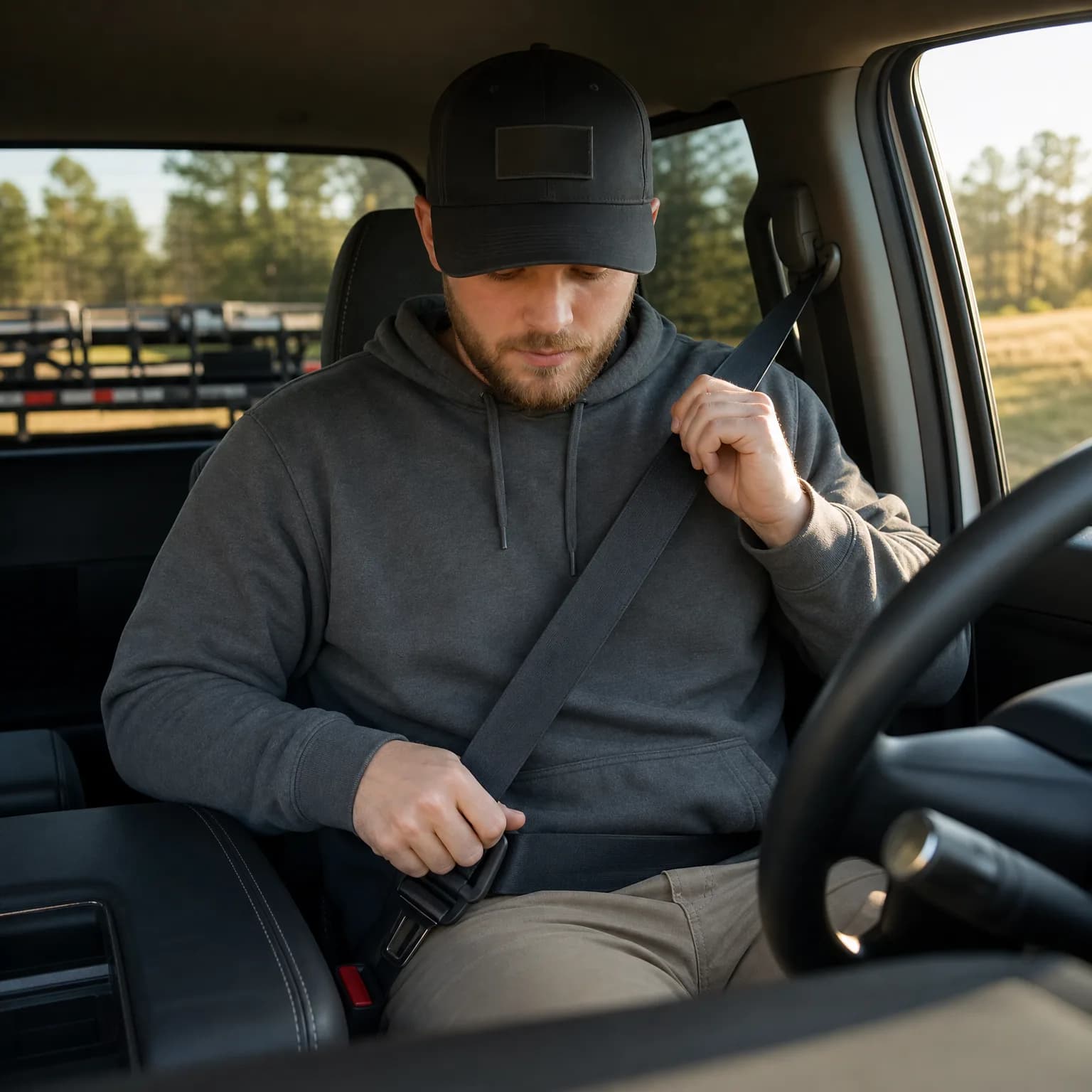






Non-Owner Policies Cover Drivers Without a Vehicle
Many suspended drivers do not currently own a car. You may have sold your vehicle after the suspension, rely on public transit or rideshares, or plan to borrow a family member's car occasionally once the Limited Driving Permit is approved. A non-owner SR-22 policy provides the liability coverage and filing DDS or the court requires without insuring a specific vehicle.
Non-owner policies cover you when driving a vehicle you do not own. The coverage follows you, not the car. If you borrow a friend's vehicle to drive to work under your Limited Driving Permit, your non-owner policy provides secondary liability coverage after the vehicle owner's policy. Premiums for non-owner SR-22 policies are typically lower than standard policies because the carrier assumes less exposure: you drive infrequently and the vehicle is already insured under the owner's policy.
Non-owner SR-22 satisfies Georgia's proof of insurance requirement for both Limited Driving Permits and full reinstatement when your suspension trigger requires SR-22. Carriers writing non-owner SR-22 in Georgia include Dairyland, GAINSCO, Geico, Progressive, The General, and USAA. Not every carrier offers non-owner policies, and availability varies by underwriting tier. Drivers with DUI convictions or multiple violations may find fewer carriers willing to write non-owner coverage in the non-standard market.
3 years
SR-22 Filing Duration Post-Reinstatement
Georgia requires drivers with DUI convictions or uninsured motorist suspensions to maintain SR-22 filing for three years after reinstatement. The three-year period begins on the reinstatement date, not the suspension date. Allowing SR-22 to lapse during this period triggers automatic re-suspension.
O.C.G.A. § 40-5-57 and Georgia DDS SR-22 guidance

Comparing Standard and Non-Owner Coverage Paths
If you own a vehicle or plan to purchase one before reinstatement, a standard auto policy with SR-22 endorsement is the correct product. The policy insures the vehicle and names you as the covered driver. Carriers file SR-22 electronically with DDS, and the coverage satisfies both the Limited Driving Permit requirement and the post-reinstatement filing obligation. Standard policies include liability, collision, and comprehensive coverage options. You select limits above Georgia's minimums ($25,000 per person, $50,000 per accident, $25,000 property damage) based on your asset exposure and lender requirements if financing the vehicle.
Non-owner policies carry only liability coverage. There is no collision or comprehensive coverage because there is no insured vehicle. If you cause an accident while driving a borrowed car, your non-owner policy pays third-party bodily injury and property damage claims up to your policy limits. The vehicle owner's collision coverage handles damage to the car itself. Non-owner SR-22 works for drivers who need proof of insurance to satisfy DDS or court requirements but do not own a car and do not plan to purchase one during the filing period.
Apply for Coverage Before Filing Your Limited Driving Permit Petition
Superior Court judges evaluate whether you have satisfied all prerequisites before issuing a Limited Driving Permit. SR-22 proof of insurance is one of those prerequisites. Carriers typically process SR-22 filings within one to three business days after binding coverage, but delays can occur during high-volume periods or if underwriting requests additional documentation. Start the insurance process at least two weeks before your scheduled court hearing.
Georgia DDS updates its records electronically when carriers file SR-22. You can verify filing status through the DDS online portal at online.dds.ga.gov. Bring the SR-22 confirmation receipt to your court hearing as proof that the filing is active. Judges will not issue permits without verified SR-22 on file. If your carrier has not completed the filing by your hearing date, the court will deny or postpone your petition until proof is submitted. Request an SR-22 certificate copy from your carrier before the hearing to avoid procedural delays.
Compare quotes from carriers writing your risk tier before binding coverage. Non-standard carriers such as Dairyland, Bristol West, GAINSCO, and The General specialize in high-risk drivers and suspended-license cases. Geico and Progressive write SR-22 in Georgia across standard and non-standard tiers. State Farm offers SR-22 but may decline drivers with recent DUI convictions or multiple violations. Acceptance Insurance and Direct Auto focus exclusively on non-standard risks and write SR-22 for post-DUI and uninsured motorist cases. Obtain at least three quotes to identify the most competitive rate for your specific suspension trigger and driving history.
Documentation Required for Limited Driving Permit Applications
You must file a petition with the Superior Court in the county where you reside or were convicted. The petition names the specific purposes for which you need restricted driving: employment (including commute routes and work hours), school enrollment (class schedules and campus location), medical appointments (for yourself or dependents), and any court-ordered programs such as DUI Risk Reduction or substance abuse treatment. Generic need statements are insufficient. The court expects employer letters on company letterhead, school enrollment verification, medical appointment records, or program enrollment confirmation.
SR-22 proof of insurance must be filed with DDS before the court hearing. Carriers electronically file Form SR-22 directly with Georgia DDS, and you receive a confirmation receipt. Bring this receipt to your court hearing along with proof of payment for any court-ordered fees, completion certificates for required programs, and documentation of your restricted driving need. The permit issued by the court is a paper document, not a replacement license card. You carry it with your suspended license when driving under the permit's authority.
Get Your Free Quote
Get My Georgia Suspended License Insurance QuoteFrequently Asked Questions
Do I need SR-22 if my Georgia license was suspended for unpaid tickets?
Unpaid ticket suspensions typically do not require SR-22 for full reinstatement through Georgia DDS. You must provide proof of liability insurance meeting state minimums, but SR-22 filing is not mandated. However, if you apply for a Limited Driving Permit during the suspension, the court will require SR-22 as a condition of issuing the permit.
Can I get a Limited Driving Permit in Georgia immediately after a DUI arrest?
Georgia's Ignition Interlock Limited Driving Permit (IILDP) allows DUI arrestees to elect an interlock-equipped permit immediately rather than wait through the Administrative License Suspension process. This pathway, created by HB 205 effective July 1, 2024, requires SR-22 filing and ignition interlock device installation before the permit is issued.
How long does SR-22 filing take to process in Georgia?
Carriers electronically file SR-22 with Georgia DDS within one to three business days after you bind coverage. DDS updates its records in real time when the filing is received. You can verify SR-22 status through the DDS online portal at online.dds.ga.gov. Allow two weeks before a court hearing to ensure the filing completes without delays.
What happens if I let my SR-22 lapse during the three-year requirement period?
Allowing SR-22 to lapse during the mandatory three-year period triggers automatic re-suspension of your Georgia driver's license. The carrier notifies DDS electronically when a policy cancels or lapses, and DDS suspends your license without additional notice. You must obtain new SR-22 coverage, pay reinstatement fees again, and restart the three-year filing period from the new reinstatement date.
Does a non-owner SR-22 policy cover me if I borrow someone else's car in Georgia?
Yes. A non-owner policy provides secondary liability coverage when you drive a vehicle you do not own. The vehicle owner's insurance is primary and pays claims first. Your non-owner policy covers liability amounts exceeding the owner's limits, up to your policy limits. Non-owner SR-22 satisfies Georgia's proof of insurance requirement for Limited Driving Permits and full reinstatement when SR-22 is required.
Can I apply for a Limited Driving Permit online in Georgia?
No. Limited Driving Permits are issued by Superior Court judges on a case-by-case basis, not by DDS. You must file a petition with the court in the county where you reside or were convicted, attend a hearing, and present documentation of your restricted driving need. The permit is a paper document issued by the court, not an online application processed by DDS.
Which Georgia carriers write non-owner SR-22 policies?
Carriers writing non-owner SR-22 in Georgia include Dairyland, GAINSCO, Geico, Progressive, The General, and USAA. Availability varies by underwriting tier and driving history. Drivers with DUI convictions or multiple violations may find fewer carriers willing to write non-owner coverage. Compare quotes from at least three carriers to identify competitive rates for your specific risk profile.